Why Is Understanding Your Target Audience Important?
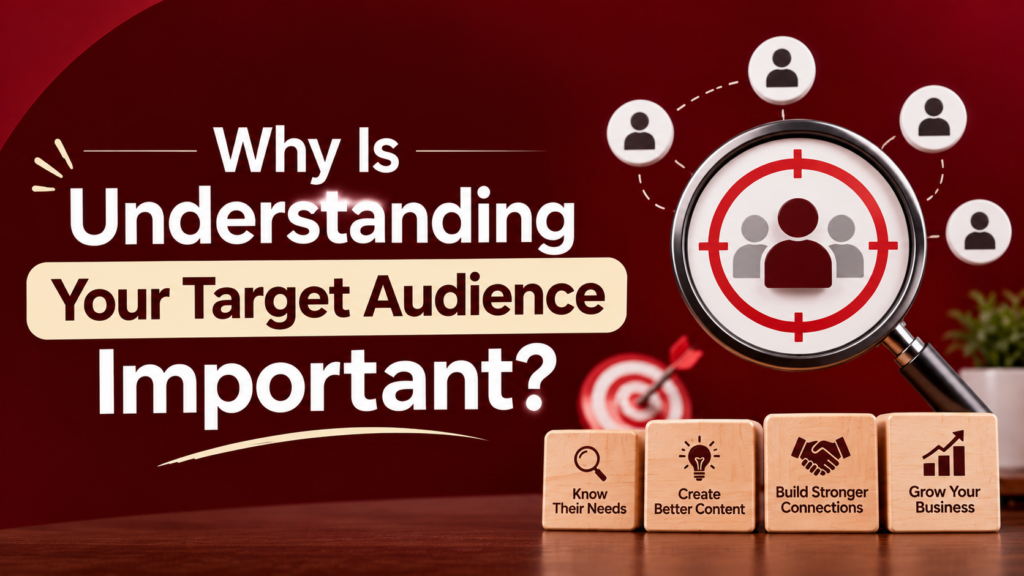
Every business wants more customers, stronger engagement and better results from its marketing efforts. But reaching more people does not always mean reaching the right people. A campaign can receive thousands of views and still generate very few enquiries if it is shown to people who have little interest in the product or service. This is why understanding your target audience is one of the foundations of successful marketing. When you know who your potential customers are, what they need and what influences their decisions, you can create more relevant messages, choose suitable marketing channels and build stronger customer relationships.
Quick Answer: Why Is Understanding Your Target Audience Important?
Understanding your target audience helps your business connect with people who are most likely to need and value your products or services. It improves marketing communication, supports better content creation, reduces wasted advertising spend, strengthens customer relationships and helps businesses make informed decisions.
What Is a Target Audience?
A target audience is a specific group of people or businesses that a company wants to reach with its products, services or marketing messages. They may share characteristics such as age, location, interests, lifestyle, challenges, purchasing habits or professional needs. For example, a digital marketing agency in Kerala might focus on small business owners who want to improve their online visibility, attract local customers and generate enquiries through digital platforms. A target audience is not simply a list of people with similar ages or locations. It is about understanding the people behind those characteristics: what they want, what problems they face and how your business can help.
6 Reasons Why Understanding Your Target Audience Is Important
1. It Helps You Create More Effective Marketing Strategies
A marketing strategy becomes more focused when you understand who you are trying to reach. Instead of promoting your services to everyone, you can develop campaigns around the needs and interests of a relevant audience. For example, a company offering website design may communicate differently with a startup that needs its first website and an established business planning a website redesign. Both may need the same service, but their priorities and concerns are different.
2. It Improves Customer Engagement
People are more likely to pay attention to content that feels relevant to their interests and everyday challenges.
Understanding your audience helps you choose suitable topics, communication styles, visuals and platforms. A business targeting young professionals may use short-form videos and social media content, while a B2B company may benefit more from informative articles, case studies and professional networking platforms.
Relevant communication gives people a stronger reason to interact with your brand.
3. It Helps You Use Your Marketing Budget Wisely
Marketing without audience research can lead to unnecessary spending. Businesses may invest in advertisements, content or platforms that do not reach potential customers. When you understand your audience's location, interests, needs and buying behaviour, you can make more informed decisions about where and how to promote your business. This does not guarantee lower costs or higher sales, but it gives your campaigns a more relevant starting point.
4. It Supports Better Products and Services
Audience research is useful beyond advertising. Customer feedback can reveal what people expect, which features they value and what problems remain unresolved. For example, a local clothing brand may discover that customers want more size options, clearer product photographs or easier delivery information. These insights can guide improvements to the product and shopping experience. Listening to customers helps businesses develop offers that respond to real needs rather than assumptions.
5. It Builds Trust and Stronger Customer Relationships
Customers are more likely to trust businesses that understand their concerns and communicate honestly. When your website, social media content and customer support answer relevant questions, people can better understand what you offer and whether it suits their needs. Consistent, useful communication can also encourage repeat purchases, recommendations and long-term relationships.
6. It Helps Your Business Stand Out From Competitors
Understanding your audience can reveal what customers appreciate, what they dislike about existing options and what they still need. You can use these insights to communicate your unique value more clearly. Rather than copying competitors, your business can focus on solving a specific customer problem in a meaningful way.
How Can You Identify Your Target Audience?
Understanding your audience requires research, observation and regular improvement. Follow these practical steps:
1. Study your existing customers: Look at common customer questions, purchase patterns, feedback and reasons for choosing your business.
2. Define audience characteristics: Consider demographics, geographic location, interests, lifestyle and buying behaviour where relevant.
3. Understand customer problems: Identify what customers are trying to achieve and what prevents them from achieving it.
4. Research your competitors: Observe whom they serve, how they communicate and which customer needs may be overlooked.
5. Use surveys and conversations: Ask customers about their expectations, preferences and experiences.
6. Review digital insights: Use available website analytics, social media insights and advertising reports to understand how people interact with your content.
7. Test and refine: Compare different messages, content formats and campaigns. Use actual results to improve your audience assumptions.
Target Audience Research: Which Factors Should You Consider?
Demographics -
Age range, occupation, income and education where relevant
Geography -
Country, city, region and service location
Psychographics -
Interests, values, lifestyle and motivations
Behaviour -
Browsing habits, purchase patterns and platform preferences
Challenges -
Problems, needs and barriers to buying
Intent -
Whether people are researching, comparing or ready to purchase
These factors work together. Demographic information may tell you who a customer is, while behavioural and psychographic insights help explain why they make particular decisions.
Common Target Audience Mistakes to Avoid
Even businesses that conduct audience research can make mistakes. Watch out for these common issues:
1. Targeting everyone: A broad audience can make your message less relevant. Start with the customer groups most likely to benefit from your offer.
2. Relying only on age and location: Include interests, needs, motivations and behaviour where appropriate.
3. Assuming instead of researching: Validate your ideas through customer conversations, feedback and analytics.
4. Ignoring existing customers: Their experiences can reveal valuable opportunities for improvement.
5. Using outdated audience profiles: Customer needs and digital habits can change, so review your research regularly.
How Does Target Audience Understanding Improve Digital Marketing?
Every digital marketing channel works better when its content and communication match the intended audience.
SEO: Helps you create content around the questions and search terms your potential customers use.
Social media marketing: Helps you select relevant platforms, content formats and communication styles.
Paid advertising: Supports more relevant campaign planning and audience selection.
Website design: Helps you organize information, navigation and calls to action around visitor needs.
Branding: Helps shape a brand voice and visual identity that connect with the people you want to serve.
For example, a business targeting local customers in Kerala may need location-relevant website content, regional search visibility and social media communication that reflects how its customers discover and evaluate services.
Frequently Asked Questions
It helps businesses create relevant campaigns, communicate clearly, select suitable channels and focus resources on people who are more likely to need their products or services.
Common characteristics include demographics, geographic location, interests, values, lifestyle, purchasing behaviour, needs and motivations.
It helps businesses create useful content and messages that address the audience's actual interests and challenges, giving people more reasons to interact with the brand.
A target market is the broader group of potential customers a business aims to serve. A target audience is a more specific group within that market that a particular campaign or message is designed to reach.
Review audience insights regularly and whenever there are significant changes in customer behaviour, products, services, market conditions or campaign performance. There is no single review schedule suitable for every business.