Why Is Building a Personal Brand Important in 2026?
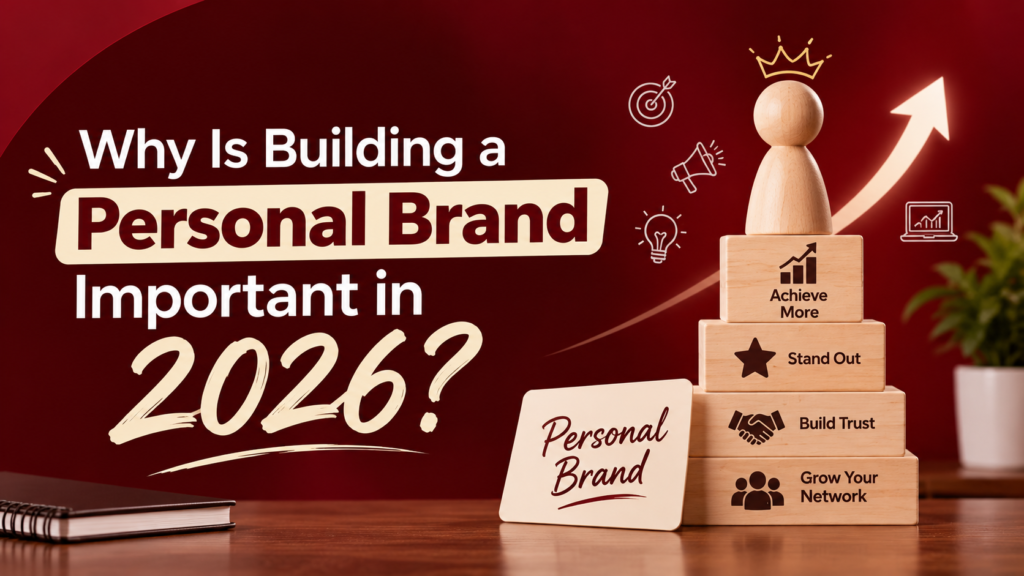
In a world where professionals, entrepreneurs and businesses compete for attention online, having the right skills is important—but making those skills visible and memorable is equally valuable. People often search online before choosing a freelancer, contacting a consultant, hiring an employee or trusting a business. What they discover about you can influence their decision. This is where personal branding becomes important. In 2026, building a personal brand is not simply about becoming popular on social media or collecting followers. It is about creating a clear professional identity, communicating your expertise and giving people genuine reasons to trust you. Whether you are a student, freelancer, business owner, creator or working professional, a strong personal brand can help you create opportunities and stand out in your industry.
What Is Personal Branding?
Personal branding is the process of shaping how people recognise, understand and remember you professionally. It combines your skills, experience, values, personality, communication style and the value you offer to others. Think about two freelance graphic designers with similar technical skills. One has a clear portfolio, regularly shares useful design insights and explains their creative process. The other has no visible professional presence. When a potential client searches for both, the first designer may be easier to understand and evaluate. That difference is part of personal branding. Your personal brand is not just your logo, profile picture or social media bio. It is the overall impression people develop through your work, content, communication and professional reputation.
Why Is Building a Personal Brand Important in 2026?
1. It Helps You Stand Out in a Competitive Market
Many people offer similar services and possess comparable qualifications. A personal brand helps communicate what makes your approach, experience or perspective different. For example, instead of describing yourself only as a digital marketer, you could position yourself around helping small businesses improve their online visibility through SEO and content strategy. A specific message makes it easier for potential clients and employers to understand your strengths. Rather than trying to appeal to everyone, focus on the audience and problems you can genuinely help with.
2. It Builds Trust and Professional Credibility
People are more comfortable working with professionals when they can understand their expertise and see evidence of their work. A well-maintained portfolio, helpful educational posts, genuine testimonials and detailed project examples can make your professional capabilities easier to evaluate. Trust is not created by repeatedly claiming to be an expert. It develops when your communication and actions consistently support what you say. In 2026, authenticity and credibility are especially important in an online environment filled with automated content and competing messages. Your real perspective, practical knowledge and transparent communication can help distinguish your presence.
3. It Creates More Career and Business Opportunities
A strong personal brand can help people discover your skills beyond your immediate professional network.
Recruiters may find your work through LinkedIn. Potential clients may discover your portfolio through Google. Industry professionals may connect with you after reading an article or watching a useful video.
These opportunities can include:
Job interviews and career advancement.
Freelance projects and client enquiries.
Professional collaborations.
Speaking and networking opportunities.
Business partnerships.
Industry recognition.
Personal branding does not guarantee these outcomes, but it can make your expertise easier to discover and understand.
4. It Strengthens Your Online Presence
Your online presence often creates an early impression before you have a direct conversation with someone.
A consistent presence across your website, LinkedIn profile, portfolio and relevant social media platforms helps people connect the information they find about you.
For example, a web designer could publish website projects on a portfolio, share design tips on Instagram and explain website performance improvements through blog articles.
Each platform serves a different purpose, but the overall message should remain consistent.
5. It Helps You Build Meaningful Professional Connections
Personal branding is not only about publishing content. It also involves participating in professional conversations, sharing useful knowledge and building relationships.
When you regularly contribute thoughtful ideas and engage with people in your industry, others have more opportunities to understand your interests and expertise.
Instead of focusing only on gaining followers, focus on connecting with people who share relevant professional interests.
How Is Personal Branding Changing in 2026?
Personal branding continues to evolve as digital platforms and AI-powered tools influence how people create and discover information.
Some important developments include:
Authenticity over perfection: People want to understand the person behind the professional profile, not just see polished promotional content.
Expertise over follower count: A smaller, relevant audience can be more valuable than a large audience with little connection to your work.
Proof over claims: Portfolios, project explanations, practical demonstrations and genuine recommendations help communicate credibility.
AI-assisted communication: AI tools can support research, planning and content creation, but your own perspective and judgement should shape the final message.
A stronger personal website: A website or portfolio gives you a professional space to present your work and information beyond the limits of social media platforms.
These developments point towards a more useful approach: build a reputation through what you know, what you create and how consistently you deliver value.
How Can You Build a Strong Personal Brand in 2026?
You do not need a large budget or thousands of followers to begin. Start with a clear strategy and build gradually.
Step 1: Identify Your Strengths and Expertise
Begin by understanding what you are good at, what interests you and which problems you can help solve.
Ask yourself:
What skills do I want people to recognise?
Which topics can I discuss confidently?
What type of audience do I want to reach?
What makes my approach different?
Your answers will help define your professional direction.
Step 2: Define Your Target Audience
A personal brand becomes more effective when it communicates with a specific audience. For example, a digital marketing professional may focus on small business owners who want to improve their online visibility. A graphic designer may target startups that need consistent visual branding. Understanding your audience helps you create relevant content and communicate in a way that addresses their needs.
Step 3: Build a Professional Online Profile
Make sure your online profiles explain who you are, what you do and how people can contact you.
Update your:
LinkedIn headline and About section.
Professional profile picture.
Portfolio or personal website.
Social media biography.
Contact information and relevant links.
Use consistent descriptions and visual elements so that people can recognise your professional identity across platforms.
Step 4: Share Valuable and Relevant Content
Content allows people to understand your knowledge and perspective.
Consider sharing:
Educational tips and tutorials.
Project breakdowns and portfolio work.
Industry insights and opinions.
Lessons learned from practical experience.
Answers to common questions in your field.
Choose formats that suit your strengths, such as blog articles, short videos, carousels or professional posts. Focus on usefulness rather than publishing simply to stay active.
Step 5: Show Evidence of Your Work
If you want people to trust your skills, make your work visible.
A portfolio can include completed projects, design samples, campaign explanations, writing samples or demonstrations of your process. Explain your role honestly and include measurable outcomes only when you have reliable evidence.
For example, a digital marketer could present a project by explaining the business objective, strategy, activities completed and verified results.
Step 6: Stay Consistent and Build Relationships
A strong personal brand develops over time. Maintain a realistic content schedule, respond to relevant conversations and connect with professionals in your industry. Consistency does not mean posting every day. It means communicating a recognisable message and delivering value regularly.
Which Platforms Can Help You Build a Personal Brand?
LinkedIn
Professional networking, career visibility and industry insights
Instagram
Visual portfolios, creative work and short-form content
YouTube
Tutorials, educational videos and detailed explanations
Personal website
Portfolio, blog articles and a professional home online
Facebook
Community engagement and reaching relevant local audiences
You do not need to use every platform. Start with one or two that match your audience and content style, then expand when you can manage them effectively.
Common Personal Branding Mistakes to Avoid
Building a personal brand takes direction and patience. Avoid these common mistakes:
1. Trying to appeal to everyone: A broad message can make your expertise difficult to recognise. Choose a clear professional focus.
2. Copying other creators: Learn from others, but develop your own perspective and communication style.
3. Focusing only on followers: Track meaningful engagement, relevant connections and genuine enquiries instead of vanity metrics alone.
4. Making unsupported claims: Present your experience honestly and use real evidence to support your work.
5. Being inconsistent: Frequently changing your message or disappearing for long periods can make your professional identity harder to understand.
6. Ignoring your website and portfolio: Social media is useful, but a website gives you more control over how your work and professional information are presented.
Frequently Asked Questions
Personal branding helps professionals communicate their expertise, build trust, stand out in competitive industries and become easier to discover online.
Yes. Beginners can start by identifying their interests, learning a specific skill, sharing their progress and creating a portfolio of practice projects. Be transparent about your experience.
No. Freelancers, students, entrepreneurs, job seekers, consultants and employees can all benefit from a professional personal brand. It is about reputation and recognition, not fame.
It depends on your audience and goals. LinkedIn is useful for professional networking, Instagram suits visual content, and YouTube works well for detailed educational videos.
There is no fixed timeline. Recognition and trust develop through consistent communication, useful content, genuine relationships and demonstrated expertise.
A website is not essential to begin, but it can strengthen your online presence. It provides a central place to display your portfolio, publish articles and share contact information.